
Early signals from alpha-emitter PRRT in SSTR2-positive NETs
A first-in-human trial of [212Pb]VMT-α-NET, a targeted alpha-particle therapy for SSTR2-positive NETs, has reported early activity at ASCO GI 2026.
Written by NECNZ team

Most current peptide receptor radionuclide therapy (PRRT) for neuroendocrine tumours uses lutetium-177, which emits beta particles. A newer line of research is testing alpha-particle emitters such as lead-212 and actinium-225. Alpha particles travel a shorter distance and pack more energy per particle, which in theory can damage tumour cells more efficiently while sparing nearby healthy tissue. The challenge has always been making them work safely in people.
[212Pb]VMT-α-NET, developed by Perspective Therapeutics, is one of the leading candidates. It pairs lead-212 with a peptide that targets the somatostatin receptor type 2 (SSTR2), the same receptor that Lutathera and other PRRTs target. The Phase 1/2a trial (NCT05636618) is enrolling up to 260 adults with unresectable or metastatic SSTR2-positive neuroendocrine tumours who have not previously received radiopharmaceutical therapy. Early data presented at the 2026 American Society of Clinical Oncology Gastrointestinal Cancers Symposium showed encouraging activity: at the 5.0 mCi dose, the objective response rate was 39%, and 76% of patients across the lower dose levels were alive without disease progression at the time of the data cut on 10 December 2025. No dose-limiting toxicities were reported, and around 37.5% of participants experienced grade 3 or higher treatment-related side effects.
These are very early findings from a small, dose-escalation study, so they should be read with caution – Phase 1 results often look better than later, larger trials. The sponsor has said it plans to engage with regulators during 2026 to discuss moving the therapy into a registrational (Phase 3) study. Other alpha-emitter PRRT programmes, including actinium-225 labelled compounds such as 225Ac-SSO110 (SANTANA-225 trial), are also in early clinical testing.
For New Zealanders, alpha-emitter PRRT is not currently available outside research settings, and any clinical trial participation would typically require travel overseas. NECNZ flags this work because it is one of the most active areas of NET research right now, and the next 18 to 24 months should bring clearer answers about whether alpha PRRT will become a real option after lutetium-based therapy has been used.
Sources
Source 1: www.targetedonc.com
Source 2: netrf.org
Related resources
More like this →
SCAN 2025 – NET patient survey (New Zealand)
The New Zealand reading of the global SCAN 2025 survey of neuroendocrine cancer patients and clinicians – how our care compares with the world.
 Video
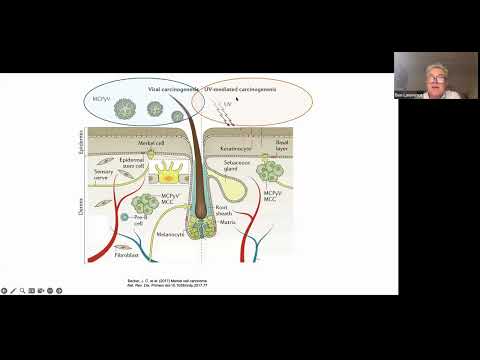
VideoMerkel Cell Carcinoma – Ben Lawrence
Merkel Cell Carcinoma, a rare neuroendocrine cancer of the skin, explained for patients and whānau.
 Video
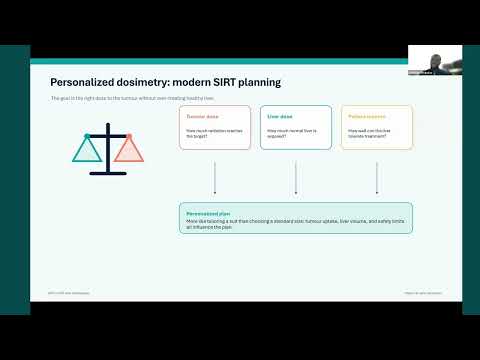
VideoSIRT – Dr Sofiullah Abubakar and Dr Michael Sunderland
A Zoom session on selective internal radiation therapy (SIRT), for anyone who could not join on the night.
 Video
VideoUnderstanding neuroendocrine care in New Zealand – Ben Lawrence
How neuroendocrine cancer care is organised in New Zealand, and what that means for the people in it.