
Understanding Neuroendocrine
Neuroendocrine tumours (NETs) is the umbrella term for a group of unusual, often slow-growing cancers.

Want the full picture? Download our free Patient Guide – a thorough overview of NETs, treatments, scans, and life beyond diagnosis, written for newly diagnosed Kiwis and their whānau.
What are NETs?
A neuroendocrine tumour (NET) begins in the specialized cells of the body’s neuroendocrine system. These cells have traits of both hormone-producing endocrine cells and nerve cells. They are found throughout the body’s organs and help control many of the body’s functions. Hormones are chemical substances that are carried through the bloodstream to have a specific effect on the activity of other organs or cells in the body. Most NETs take years to develop and grow slowly. However, some NETs can be fast-growing.
Neuro-endocrine = messenger cells of the body
Where are they found?
Neuroendocrine tumours (NETs) can start almost anywhere in the body, but most commonly found in the digestive system, lungs, pancreas and reproductive organs. These tumours develop from secretory cells found throughout the body and are grouped by where the tumour started in the body.
The most common types of NETs are named with their primary site:
- Gastrointestinal neuroendocrine tumours (GI NETs)
- Lung neuroendocrine tumours (lung NETs)
- Pancreatic neuroendocrine tumours (pNETs)
NETs can also begin in other organs and sometimes, NETs may develop in or on the adrenal glands. These rare types of NETs are called pheochromocytoma and paraganglioma.
Symptoms experienced may include:
- Abdominal Pain
- Diarrhoea
- Flushing / menopause like symptoms
- Bloating
- Wheezing / chronic cough
- Heart Burn
- Weight changes
Related resources
More like this → Booklet
Patient Guide
This booklet has been developed to provide information about neuroendocrine tumours (NETs) for patients and their families.
SCAN 2025 – NET patient survey (New Zealand)
The New Zealand reading of the global SCAN 2025 survey of neuroendocrine cancer patients and clinicians – how our care compares with the world.
 Video
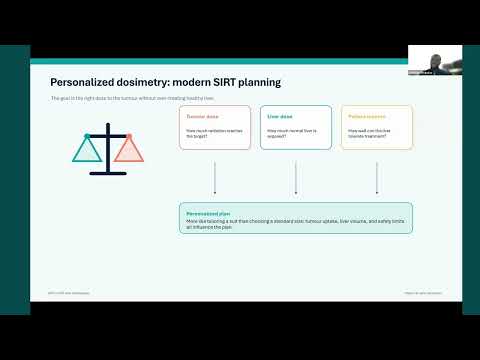
VideoSIRT – Dr Sofiullah Abubakar and Dr Michael Sunderland
A Zoom session on selective internal radiation therapy (SIRT), for anyone who could not join on the night.
 Video
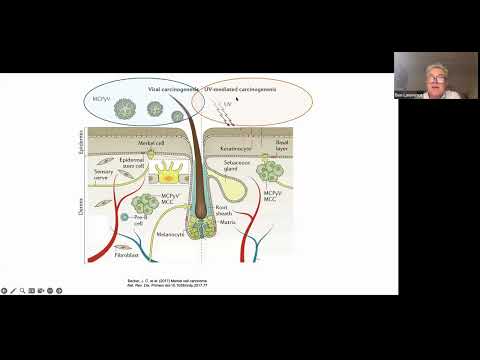
VideoMerkel Cell Carcinoma – Ben Lawrence
Merkel Cell Carcinoma, a rare neuroendocrine cancer of the skin, explained for patients and whānau.