
Grades of Neuroendocrine (NET) Cancers
What G1, G2 and G3 mean for a neuroendocrine cancer diagnosis – plain-language explanation of grade, Ki-67, and how they shape treatment options.

Grades of Neuroendocrine (NET) Cancers
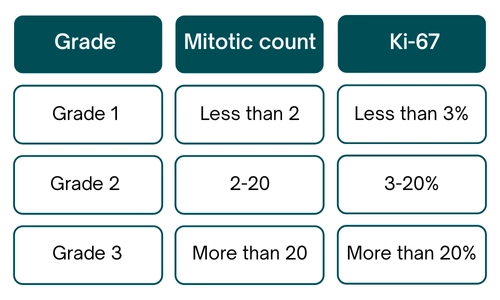
Your doctor might classify your NET as a grade according to the World Health Organization (WHO) grading system. Grading describes how tumour cells look under a microscope. It shows how abnormal the cells are and can give an idea of how quickly the tumour may develop. The grade is determined by both the mitotic count and Ki-67, which are markers of how fast the tumour cells grow and divide.
Identifying the grade of your NET helps you and your doctor create an appropriate treatment plan.
- Grade 1 (low-grade tumor): These cells divide at a low rate and therefore grow slowly.
- Grade 2 (intermediate-grade tumor): These cells divide at an intermediate rate.
- Grade 3 (high-grade tumor): These cells divide at a fast rate and therefore grow quickly.
NETs are also usually divided into three groups:
- Well differentiated – the cells look like normal cells and are usually slow-growing.
- Moderately differentiated – the cells look more abnormal.
- Poorly differentiated – the cells look very abnormal. They are likely to grow more quickly and spread.
How are grades different to stages?
The grade focuses on how the tumour cells look under a microscope, as well as how they’re dividing and at what rate.
The stage of a NET describes its size and whether it has spread beyond its original site.
Your NET may fall under one of these stages:
- Localised: Be contained in a particular area of the body
- Regional: Have spread to nearby tissues or lymph nodes
- Metastatic: Have spread throughout the body
Both grades and stages tell your care team more about your NET cancer and which treatment may be most effective.
Related resources
More like this →
SCAN 2025 – NET patient survey (New Zealand)
The New Zealand reading of the global SCAN 2025 survey of neuroendocrine cancer patients and clinicians – how our care compares with the world.
 Video
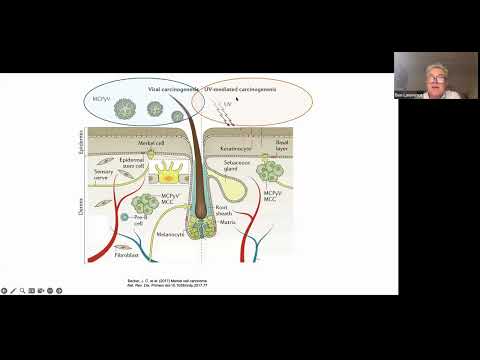
VideoMerkel Cell Carcinoma – Ben Lawrence
Merkel Cell Carcinoma, a rare neuroendocrine cancer of the skin, explained for patients and whānau.
 Video
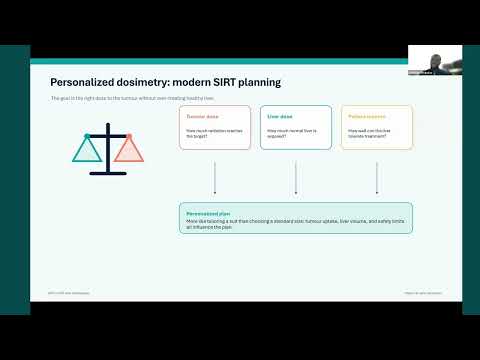
VideoSIRT – Dr Sofiullah Abubakar and Dr Michael Sunderland
A Zoom session on selective internal radiation therapy (SIRT), for anyone who could not join on the night.
 Video
VideoUnderstanding neuroendocrine care in New Zealand – Ben Lawrence
How neuroendocrine cancer care is organised in New Zealand, and what that means for the people in it.