
When NET cancers run in families: inherited syndromes
Most neuroendocrine cancers aren't inherited, but a small number are linked to hereditary syndromes like MEN1, MEN2 and VHL. Here's what to know.
Written by NECNZ team
It is not fully understood what causes neuroendocrine cancers. Researchers do not know why some neuroendocrine cells start growing abnormally. The risk factors for NETs are not well known and most NETs occur without any known cause.
Most neuroendocrine cancers are NOT passed down through families (inherited). But for a small number of patients, an abnormal gene that gets passed down through the family does increase the risk of developing a NET.
Hereditary syndromes linked to NETs
Some NETs are linked with a hereditary cancer or tumour syndrome. The main ones are:
- Multiple endocrine neoplasia (MEN Type 1) – often involves the pancreas, parathyroid glands and pituitary gland
- Multiple endocrine neoplasia (MEN Type 2) – often involves the thyroid (medullary thyroid cancer), adrenal glands (phaeochromocytoma) and parathyroid
- Von Hippel-Lindau disease
- Adrenal cortical carcinoma (ACC)
- Succinate dehydrogenase enzyme (SDH) syndromes, including SDHD
- Familial Medullary Thyroid Carcinoma (FMTC)
What to do if you're worried
Tell your doctor if you are aware of other family members who have developed cancers or endocrine problems – especially at unusually young ages, or in patterns that affect more than one generation.
If your doctor thinks an inherited syndrome is possible, they can refer you to a genetic counsellor. A genetic counsellor will help you understand what testing involves, what the results might mean for you and your whānau, and the choices you'll have along the way.
If you'd like to talk this through informally, get in touch with our team – we can help you think about what questions to bring to your specialist.
Related resources
More like this →
SCAN 2025 – NET patient survey (New Zealand)
The New Zealand reading of the global SCAN 2025 survey of neuroendocrine cancer patients and clinicians – how our care compares with the world.
 Video
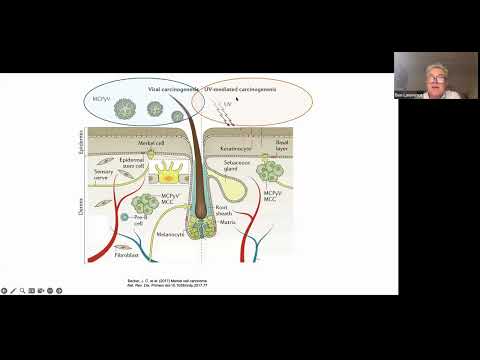
VideoMerkel Cell Carcinoma – Ben Lawrence
Merkel Cell Carcinoma, a rare neuroendocrine cancer of the skin, explained for patients and whānau.
 Video
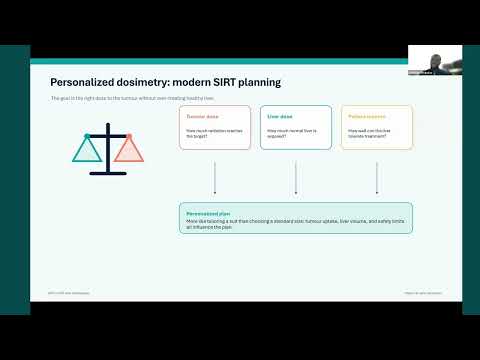
VideoSIRT – Dr Sofiullah Abubakar and Dr Michael Sunderland
A Zoom session on selective internal radiation therapy (SIRT), for anyone who could not join on the night.
 Video
VideoUnderstanding neuroendocrine care in New Zealand – Ben Lawrence
How neuroendocrine cancer care is organised in New Zealand, and what that means for the people in it.