
Knowledge Hub
Information you can trust.
Free, evidence-based resources for patients, families and health professionals navigating neuroendocrine cancer in Aotearoa New Zealand. Written in plain language, reviewed by clinicians.
45 resources
Page 2 of 2
- Understanding NET cancer15 Jan 2024
Understanding Neuroendocrine (NET) Cancers
Neuroendocrince Cancer NZ is an organisation dedicated to revolutionising the way that neuroendocrine tumours are diagnosed and managed in New Zealand.
Read  Understanding NET cancer1 Jun 2023
NET Resources
Revisit past presentations from NET Cancer specialists at Unicorn Foundation NZ's NET Cancer Education Days.
Read Video
 Video
 Video
 Video
 Video
 Video
 Video
 Video
 Video
 Video
 Video
- Understanding NET cancer15 Jul 2021
PRRT in NZ
Neuroendocrince Cancer NZ is an organisation dedicated to revolutionising the way that neuroendocrine tumours are diagnosed and managed in New Zealand.
Read  Video
 VideoUnderstanding NET cancer3 Dec 2019
Imaging in Neuroendocrine Tumours: Dr Jane Reeve (Auckland DHB)
Read Video
 VideoUnderstanding NET cancer14 Dec 2018
Nutrition and Neuroendocrine Tumours
Dietitian Erin Laing covers nutrition for people living with a neuroendocrine tumour (NET) – managing symptoms through diet, common nutritional challenges, and what to talk to your healthcare team about.
Read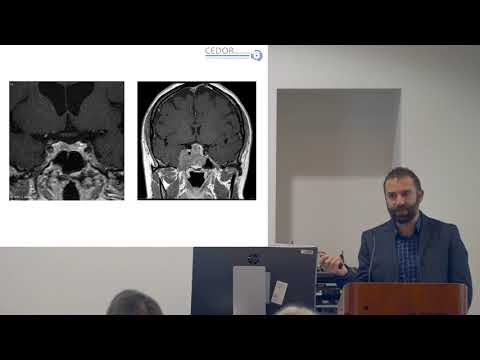 VideoUnderstanding NET cancer14 Dec 2018
Hereditary NET syndromes – Dr Richard Carroll
An introduction to the inherited syndromes associated with neuroendocrine tumours, and what a family history can mean for diagnosis and screening.
Read VideoUnderstanding NET cancer13 Dec 2018
Talking about NETs with family, friends, colleagues and doctors
Jenny Allison shares practical guidance on how to talk about a neuroendocrine cancer diagnosis with the people around you – family, friends, colleagues, and members of your healthcare team. Useful for newly diagnosed patients and their whānau.
Read VideoUnderstanding NET cancer20 Oct 2017
Treatment for NETs – Dr Sharon Pattison
An overview of the treatments used for NET cancer other than PRRT, and when and why each is used. Dr Sharon Pattison is a medical oncologist.
Read