
A two-minute read
Neuroendocrine cancer: the cancer most people have never heard of
It is often mistaken for everyday conditions, and many people wait years for the right answer. An earlier diagnosis means earlier treatment, more options and more years lived well.
Neuroendocrine cancer 101
What is neuroendocrine cancer?
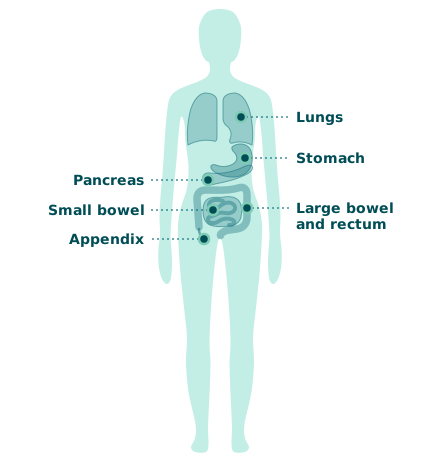
It begins in neuroendocrine cells, which are found all over the body and release hormones that help regulate lots of bodily functions. It is an umbrella term for a group of individually rare cancers, including neuroendocrine tumours (NETs) and neuroendocrine carcinomas (NECs). The most common start in the gut, pancreas or lungs.
400+
Over 400 New Zealanders are diagnosed each year.


You may know some of them
Rare, and closer than you think
Steve Jobs, the co-founder of Apple, had a neuroendocrine tumour of the pancreas. So did the singer Aretha Franklin. The actor Irrfan Khan, a household name in India, had a neuroendocrine tumour too.
Most people with neuroendocrine cancer are never in the news. They are someone’s parent, partner or friend, and many wait years for the right answer.
10 things to know about neuroendocrine cancer
1. One a day
One New Zealander a day gets diagnosed with neuroendocrine cancer.
2. Often mistaken for something else
Neuroendocrine cancers are often misdiagnosed as anxiety, menopause, irritable bowel syndrome or diabetes.
3. Years to an answer
It takes an average of five years to get a correct diagnosis.
4. Often found late
Most patients learn the cancer has spread around their body by the time they are finally diagnosed.
5. Anyone, any age
Neuroendocrine cancers affect men, women and children of all ages.
6. Symptoms to know
Symptoms can include weight loss, hot flushes, shortness of breath and diarrhoea.
7. No two the same
No two patients have the same symptoms, making it lonely for patients and challenging for doctors.
8. More common than you think
Neuroendocrine cancer is more common than many better-known cancers, such as brain, stomach, liver, cervical or ovarian cancer.
9. Treatment that works
The leading treatment is peptide receptor radionuclide therapy (PRRT), which can extend life for many years – sometimes decades.
Watch: what is PRRT?10. Living with it
Up to 3,000 New Zealanders are living with neuroendocrine cancer.
“I accepted these changes as part of getting older, never imagining they were being caused by two tumours growing inside me.”
 Lou was tramping one of New Zealand’s toughest Great Walks in March. By April, twelve steps to her front door were a struggle. She had spent years putting her symptoms down to menopause. Read her story
Why it is missed
The long road to the right answer
The symptoms look like everyday conditions, so people are often told it is something else, sometimes more than once.
- First symptoms
- ?Told it isIBS
- ?Told it isAsthma
- ?Told it isAnxiety
- ?Told it isMenopause
- Diagnosis: neuroendocrine cancer
5 years
It takes an average of five years to get a correct diagnosis.
Suspect. Detect.
The signs to look for
Look for patterns, not just individual symptoms.
Gut and tummy
- Persistent bloating or wind
- Heartburn
- Abdominal pain, discomfort or cramping
- Diarrhoea, constipation or fatty stools
Breathing
- Persistent dry cough
- Asthma symptoms
- Unexplained wheeze or shortness of breath
Hormones and flushing
- Skin redness without sweating (dry flushing)
- Palpitations
- Menopause symptoms
- High or low blood sugar
Everyday
- Fatigue
- Headache
- Anxiety and low mood
- Unintentional weight loss
Ongoing symptoms from more than one group? Ask your GP if neuroendocrine cancer has been considered.
Most people with these symptoms do not have neuroendocrine cancer. If you are worried, your GP is the place to start. GPs can take a free course on it, endorsed by the Royal New Zealand College of GPs.
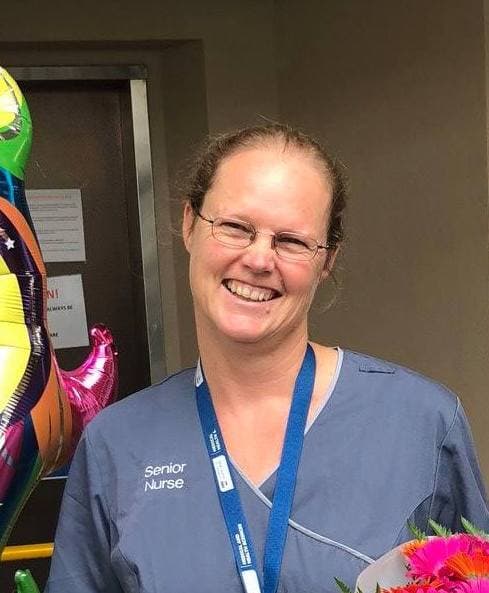
Avril Hull · NET specialist nurse
What we do
Nobody should face a cancer this rare on their own
Neuroendocrine Cancer New Zealand was founded by a patient in 2012. We support patients and whānau, raise awareness, and back research towards faster diagnosis, all of it funded by donations.
- A specialist nurseOne-to-one calls with Avril, our NET specialist nurse.
- Living with NETsA free four-week programme for patients and caregivers.
- Zoom-In sessionsMonthly guest speakers, free and online.
- Catch-upsCasual meet-ups in cafés around the motu.
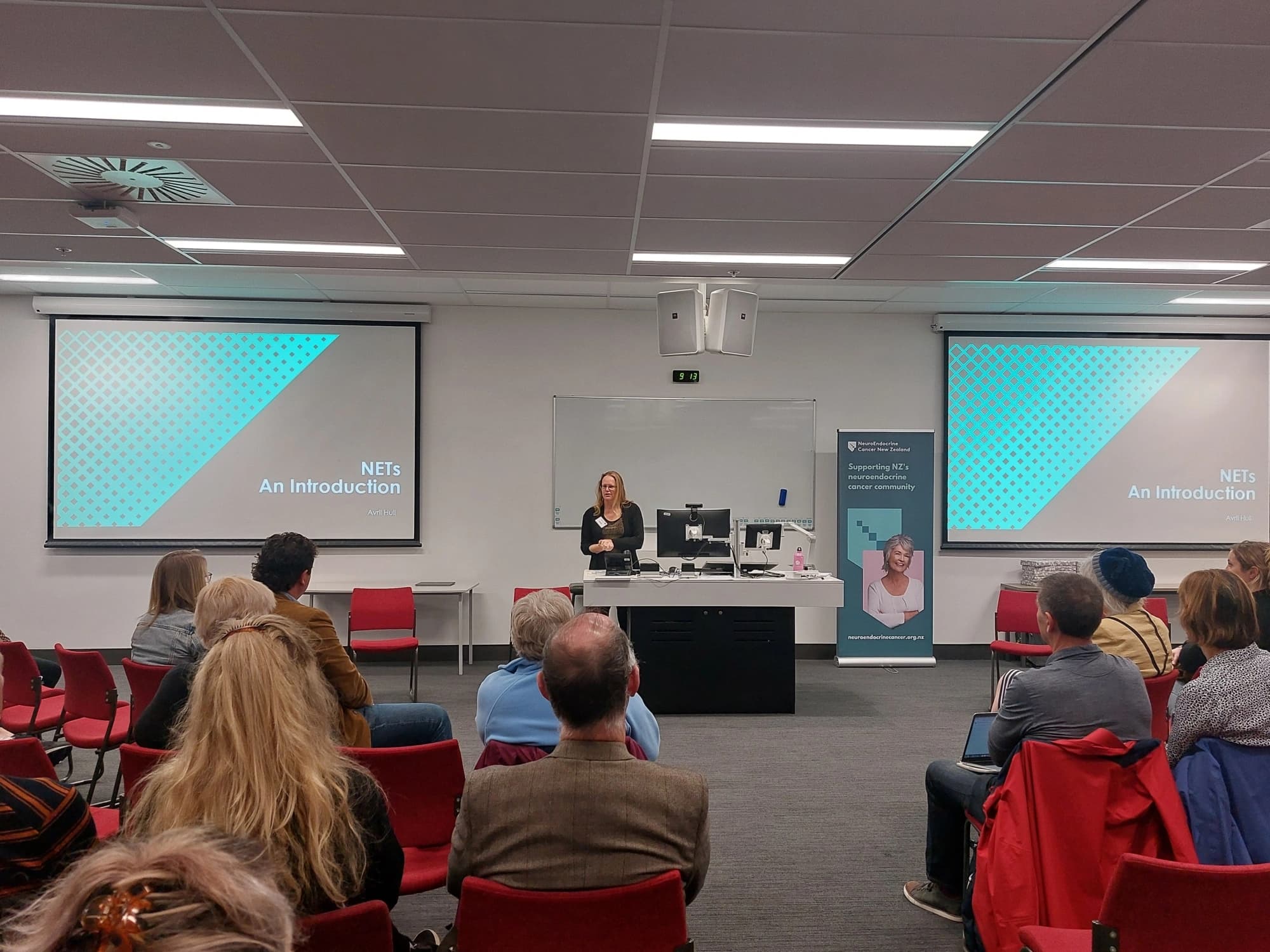
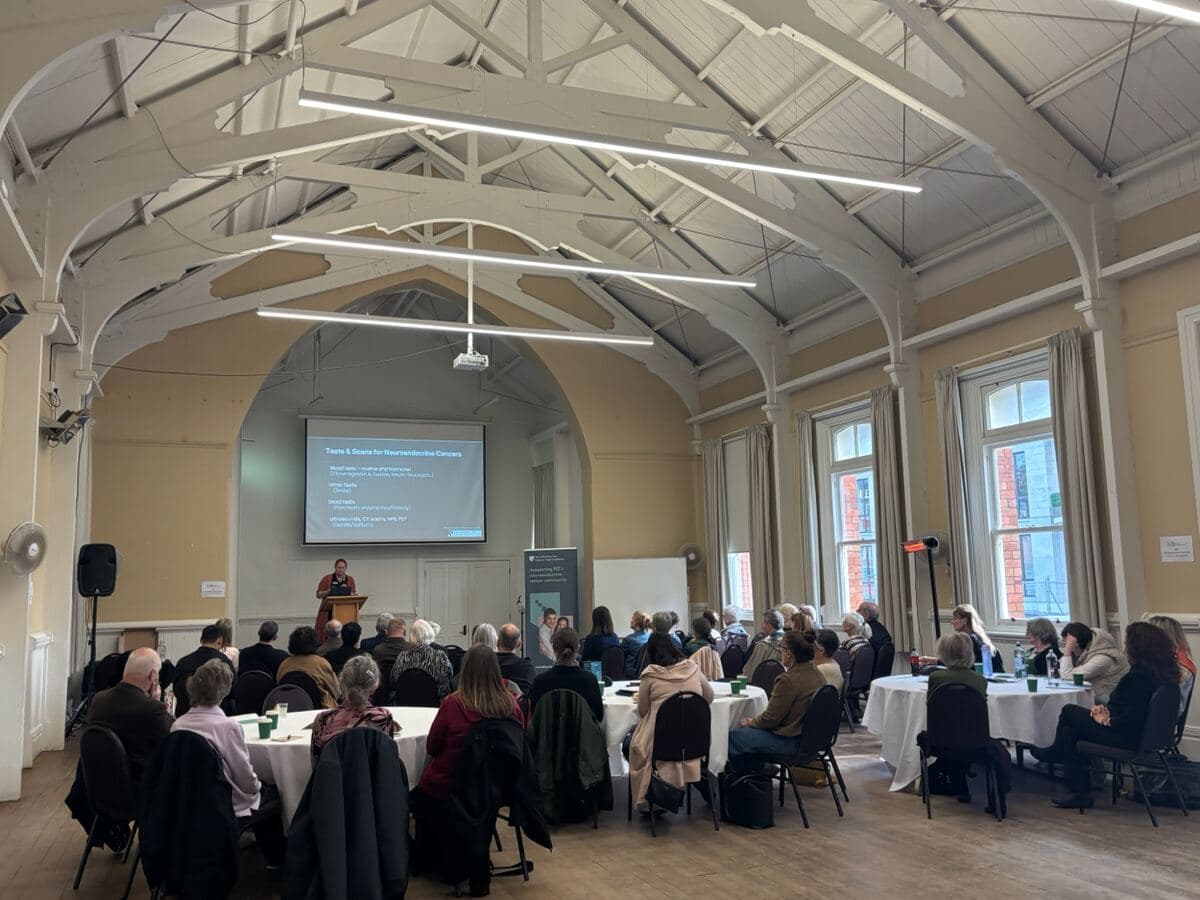
- Patient Education DaySpecialist speakers, workshops and community, once a year.
What your gift does
We receive no government funding. This November every gift is matched, so it arrives twice.
$25$50
The patient guide posted to someone newly diagnosed, and the call that follows it.
$50$100
An hour of our nurse’s time for a family who have just heard the word neuroendocrine.
$100$200
A place at a Zoom-In session, and the recording that stays up for everyone after.
Your half supports patients and whānau. The matched half funds research here in Aotearoa.
References
References to published New Zealand research will be added here.